ProjectsPersonal
Electric go-kart v2
Two ClearPath servos and 10:1 planetary gearboxes, one per rear wheel — and the RMS current limit that ended it
Version 1 got the kart moving on electricity, and then taught me what happens when you put eighty lithium cells in series with no BMS. This is the rebuild: lower voltage, no chain, and a motor per wheel.
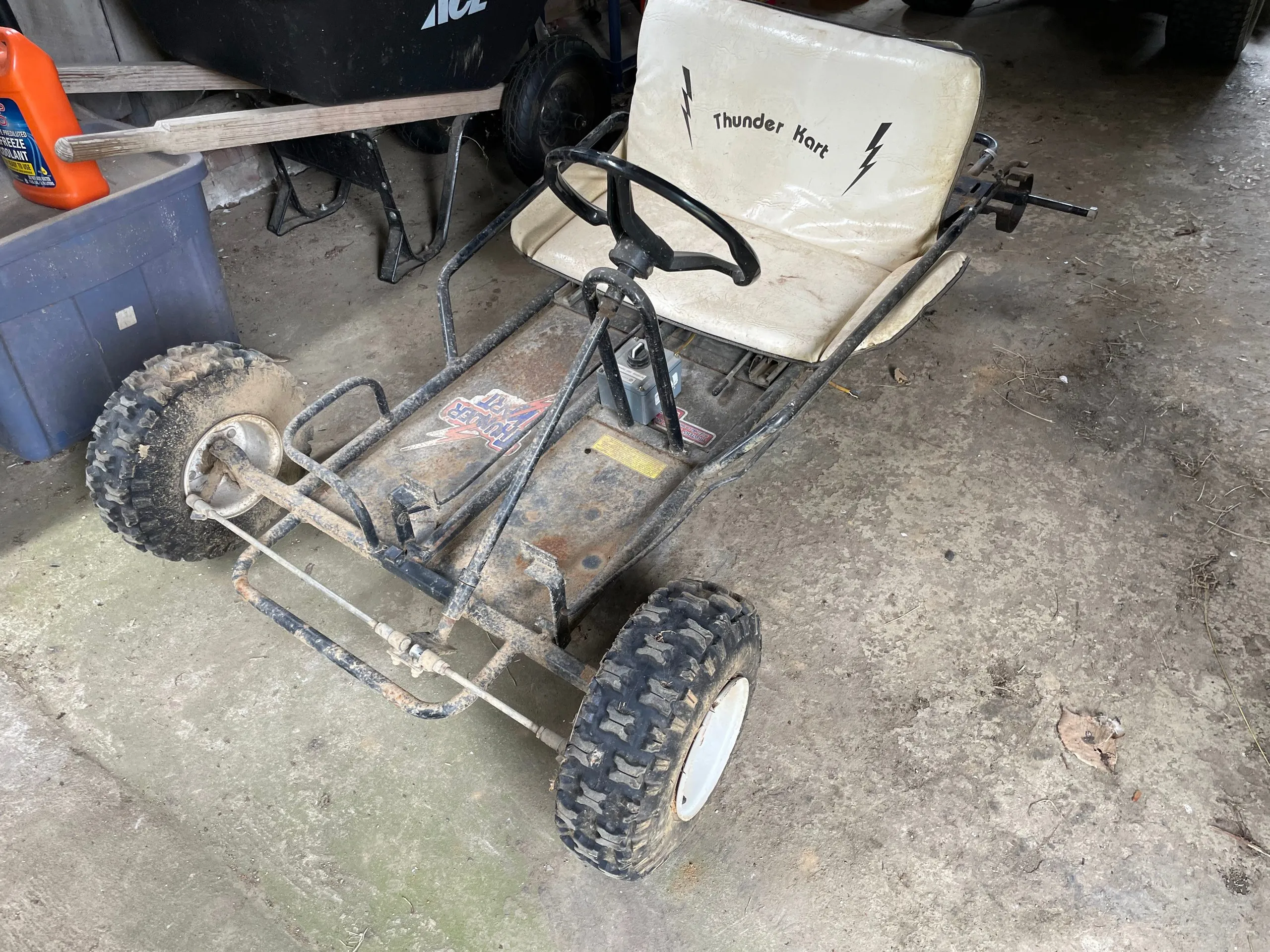
Measuring what was already there
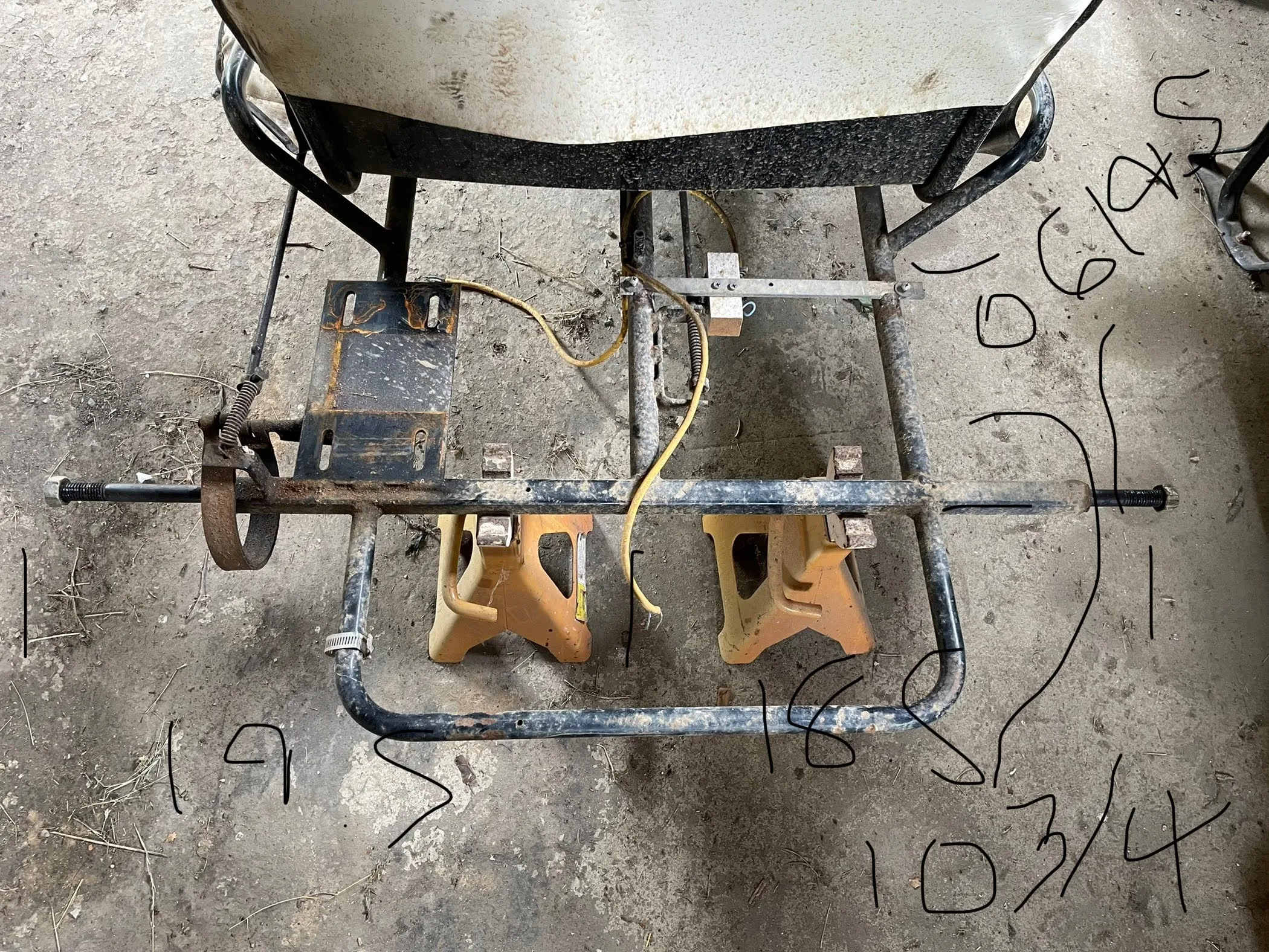
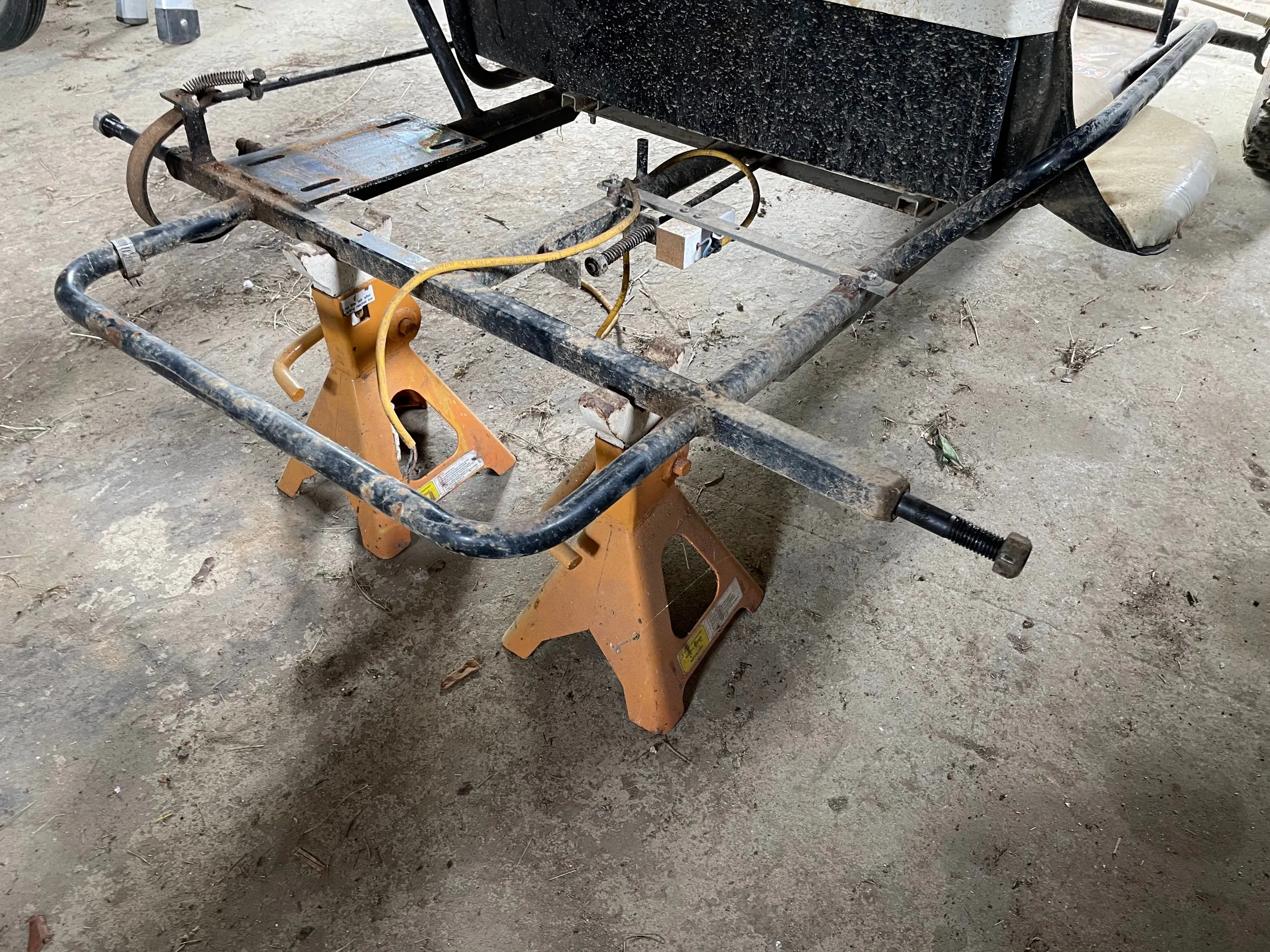
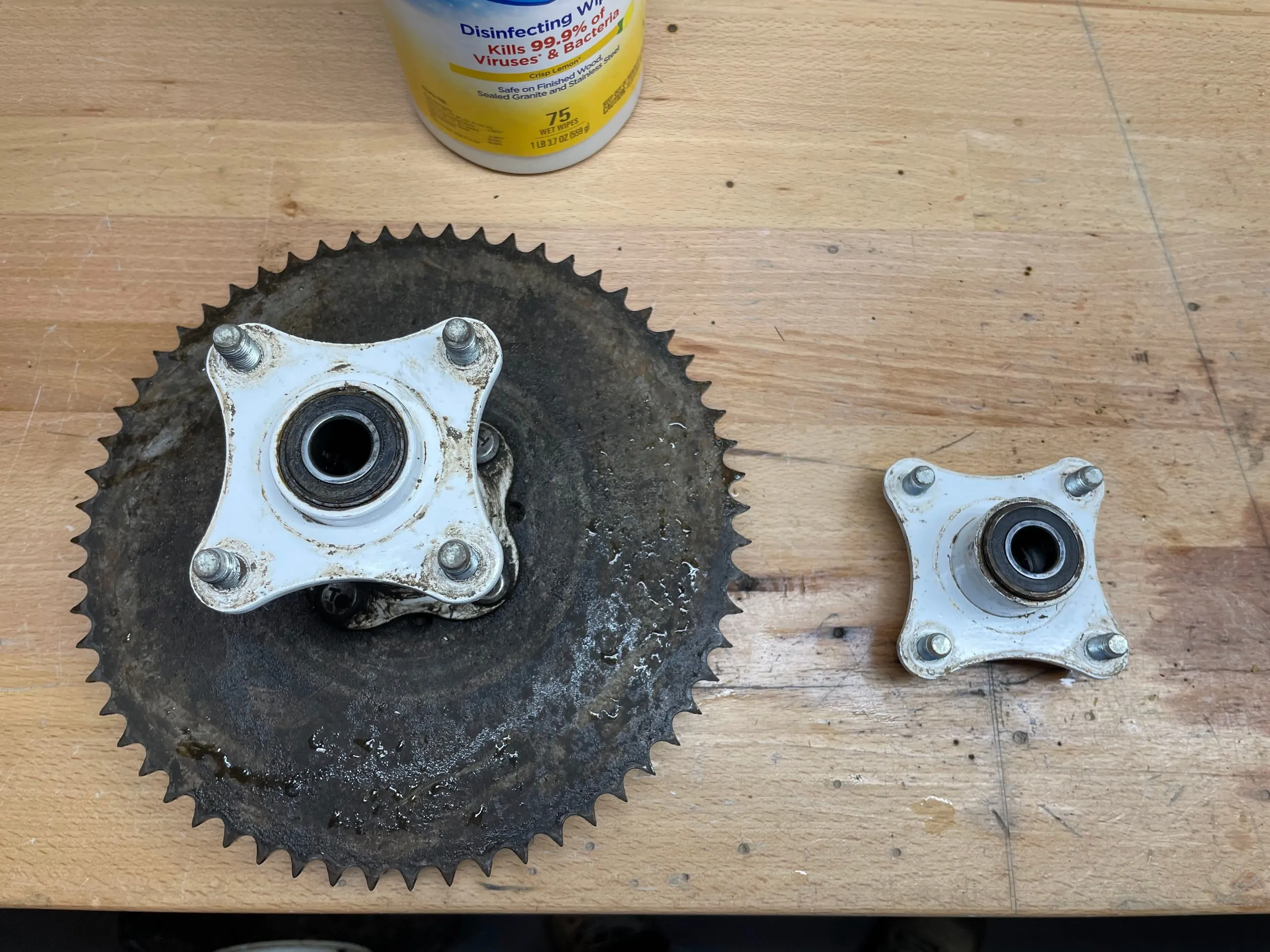
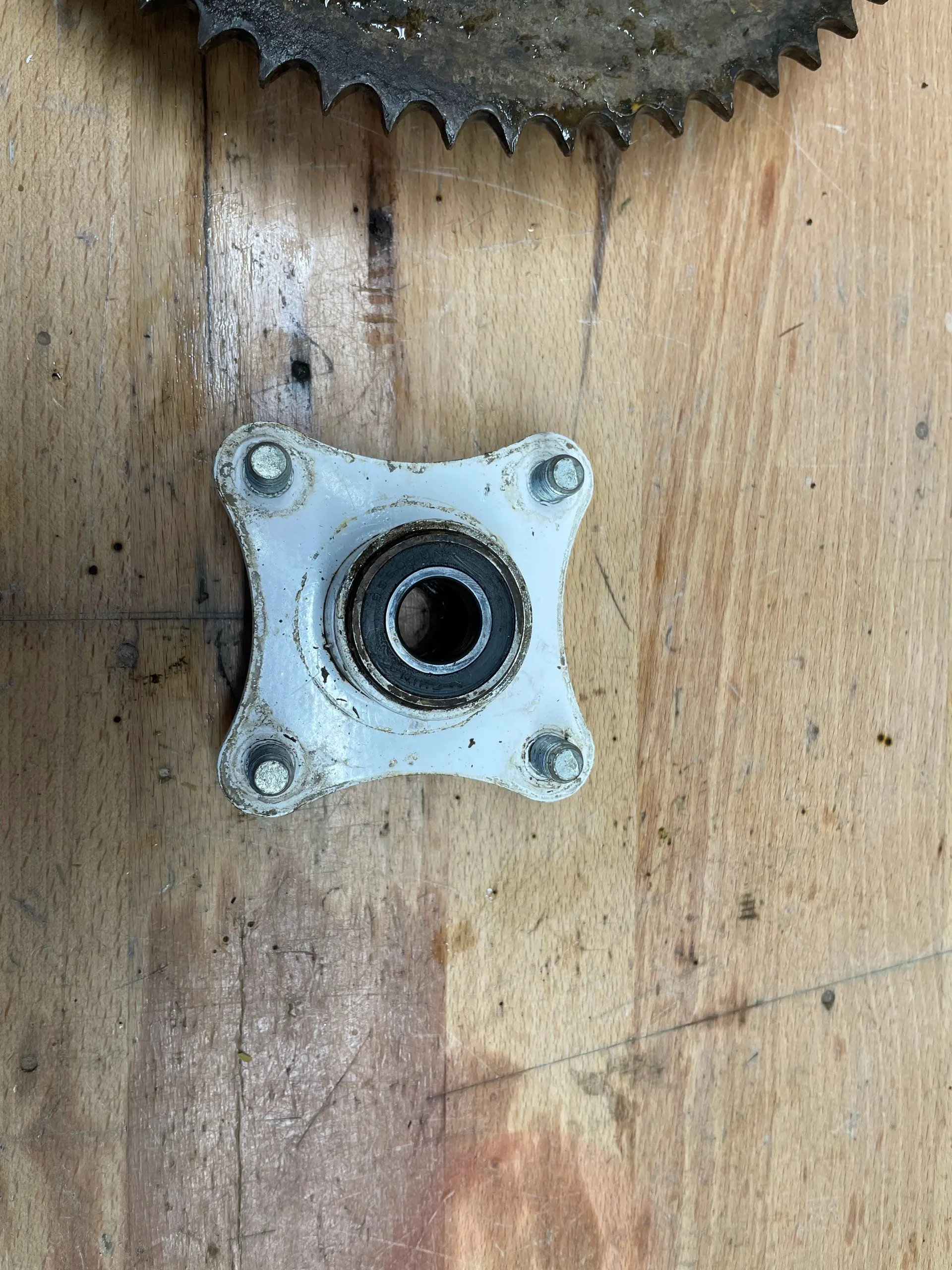
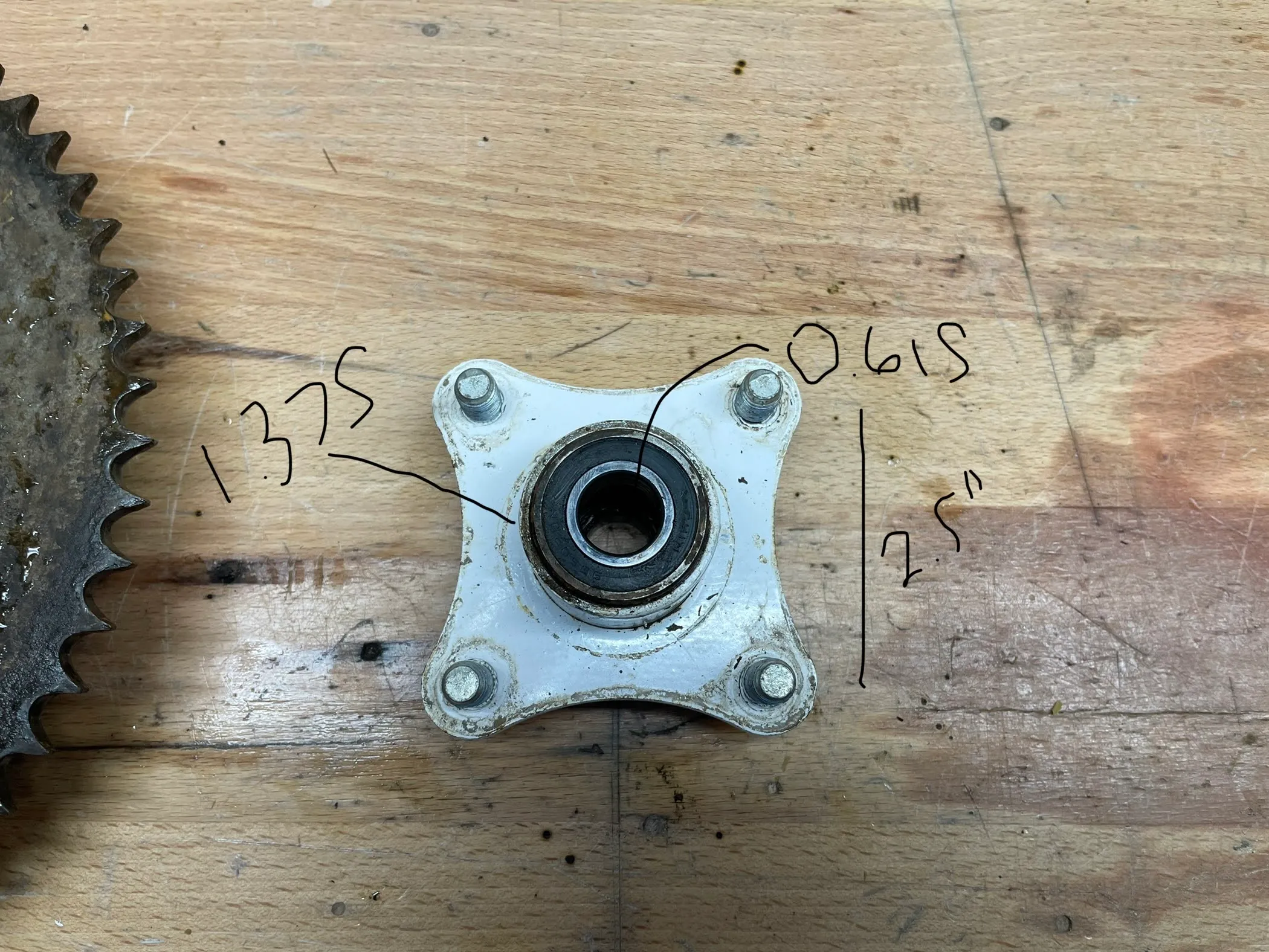
The plan was to build a complete rear drive as one assembly and put it on the existing frame, so the first job was finding out exactly how much room there was and what the wheels expected to be bolted to.
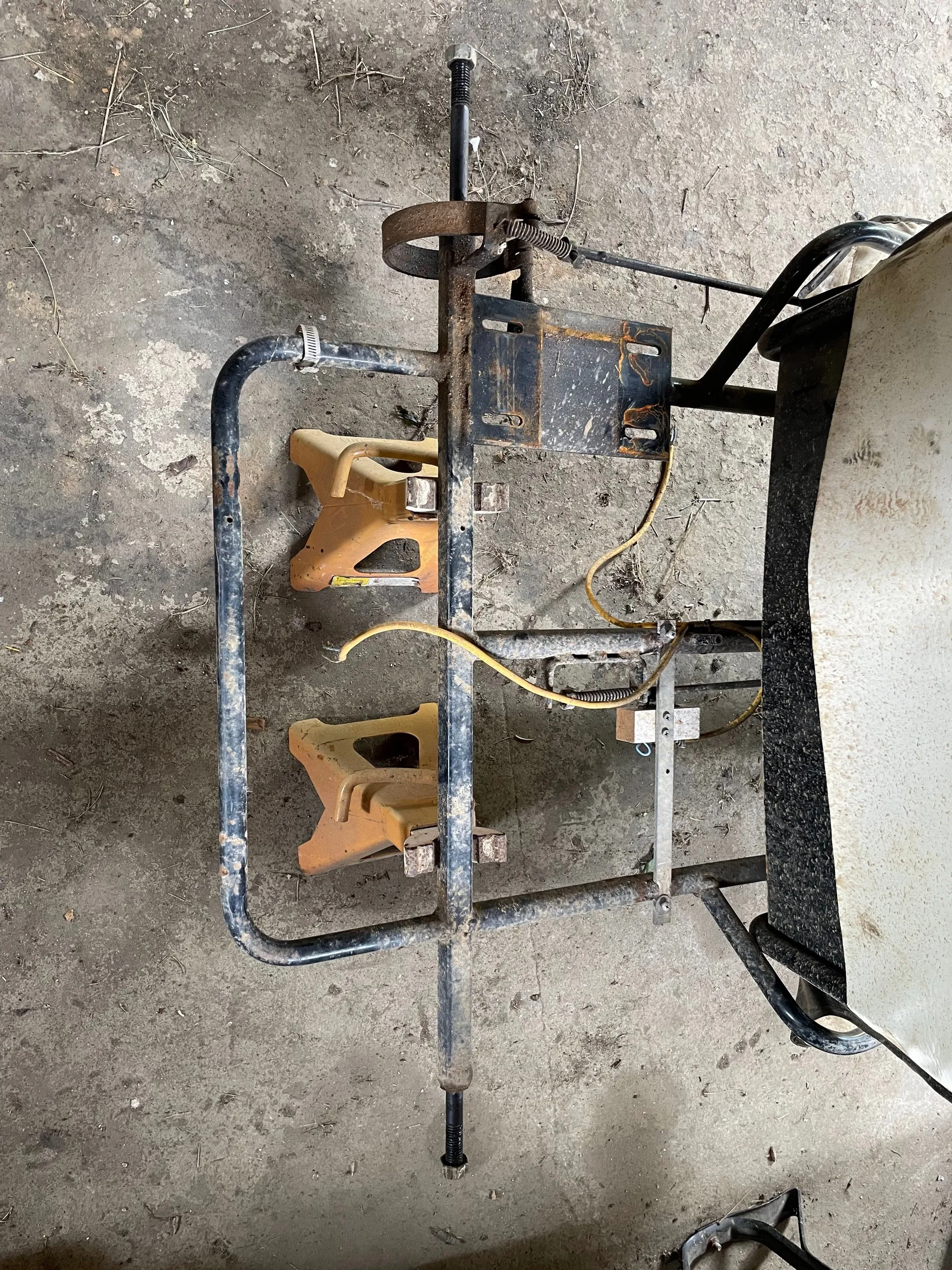
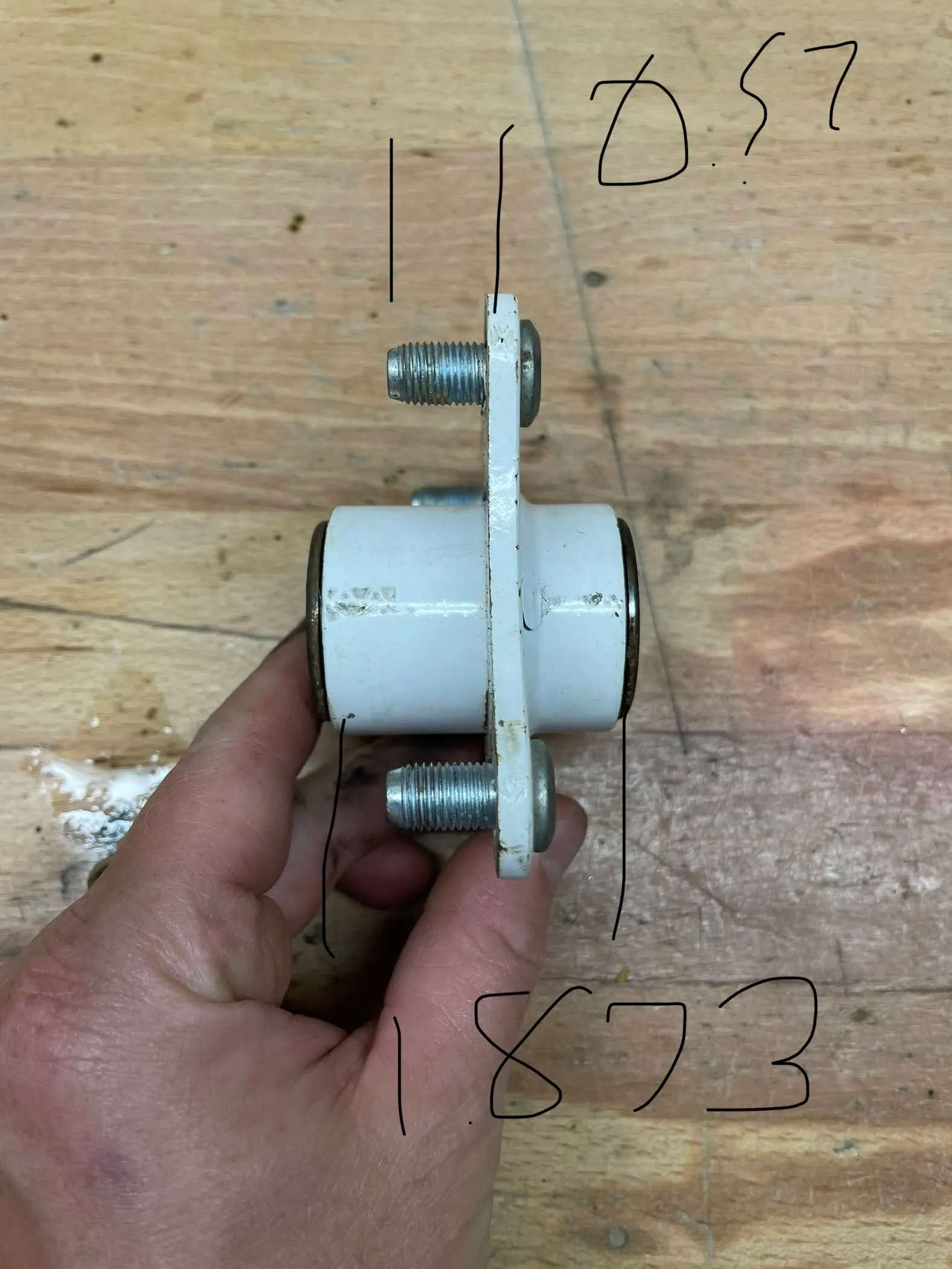
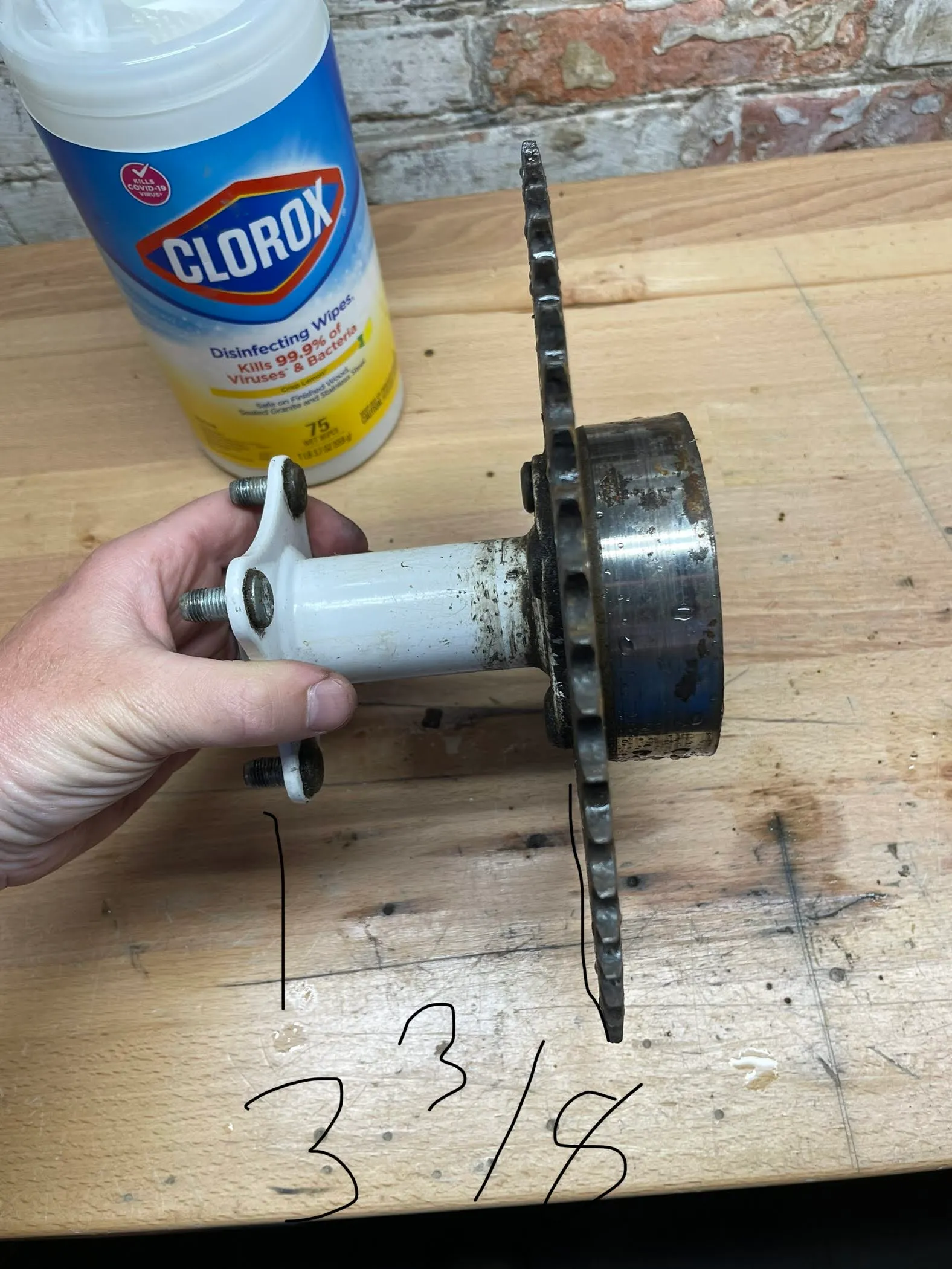
Two motors, no differential
Each rear wheel gets its own motor: a Teknic ClearPath CPM-MCVC-3436D-RLN. These are integrated servos — motor, encoder and drive in one housing, running off DC, with no separate amplifier to mount or wire. The MCVC variant is the velocity-control one: it takes a speed command on its inputs and closes the loop around it itself. For a go-kart that is exactly the right division of labour — I did not want to write a motion program, I wanted something that means “go”.
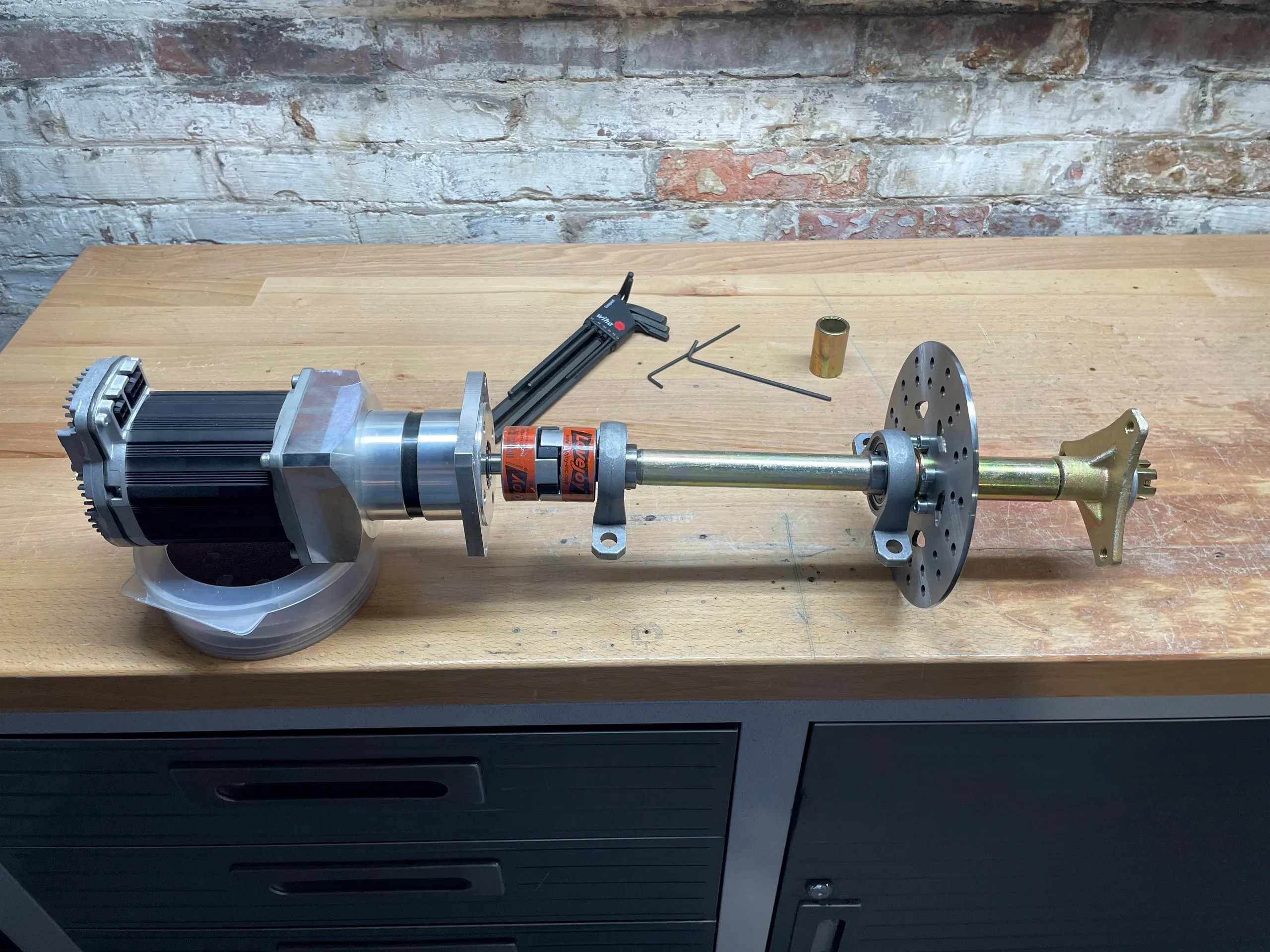
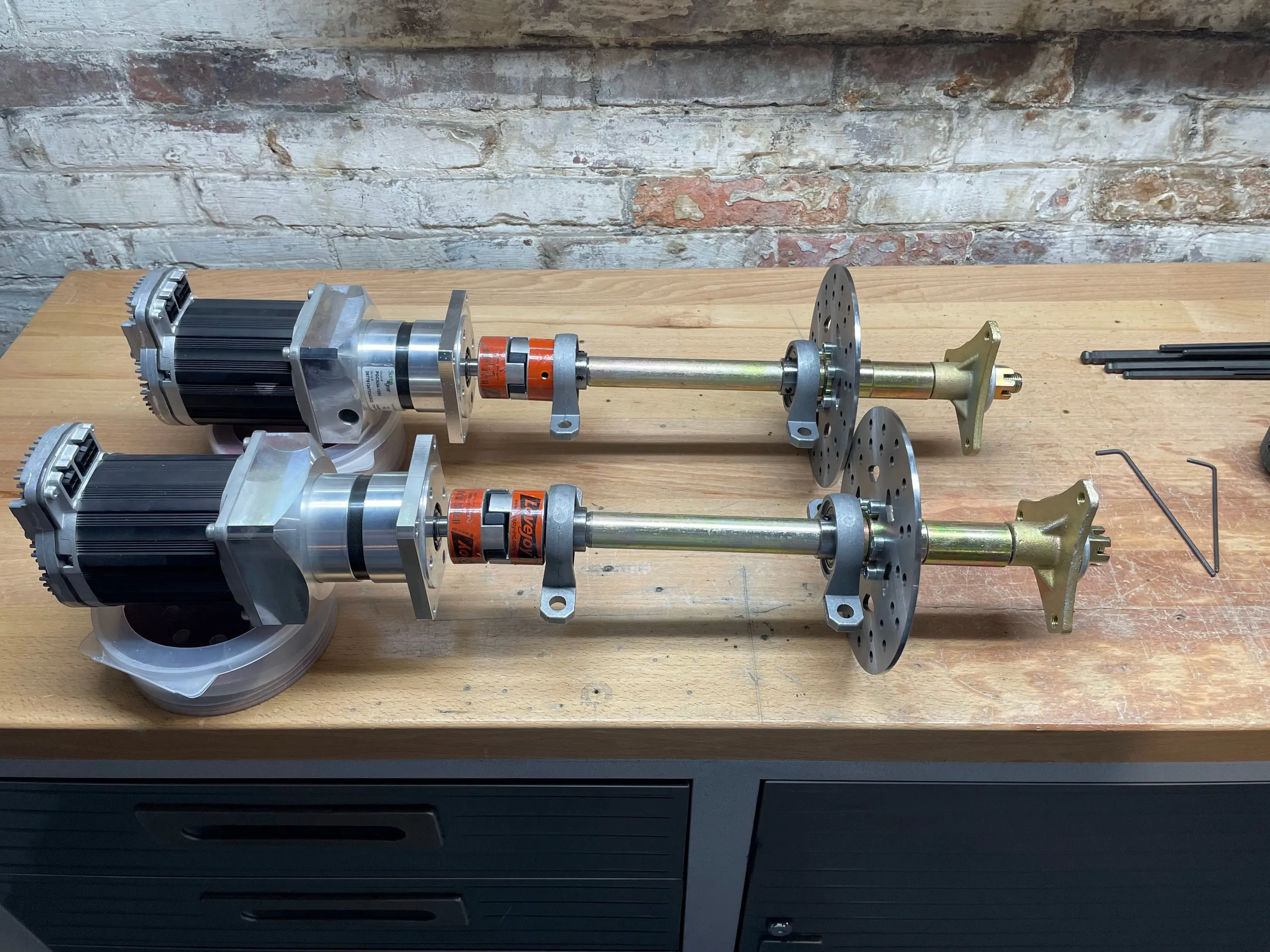
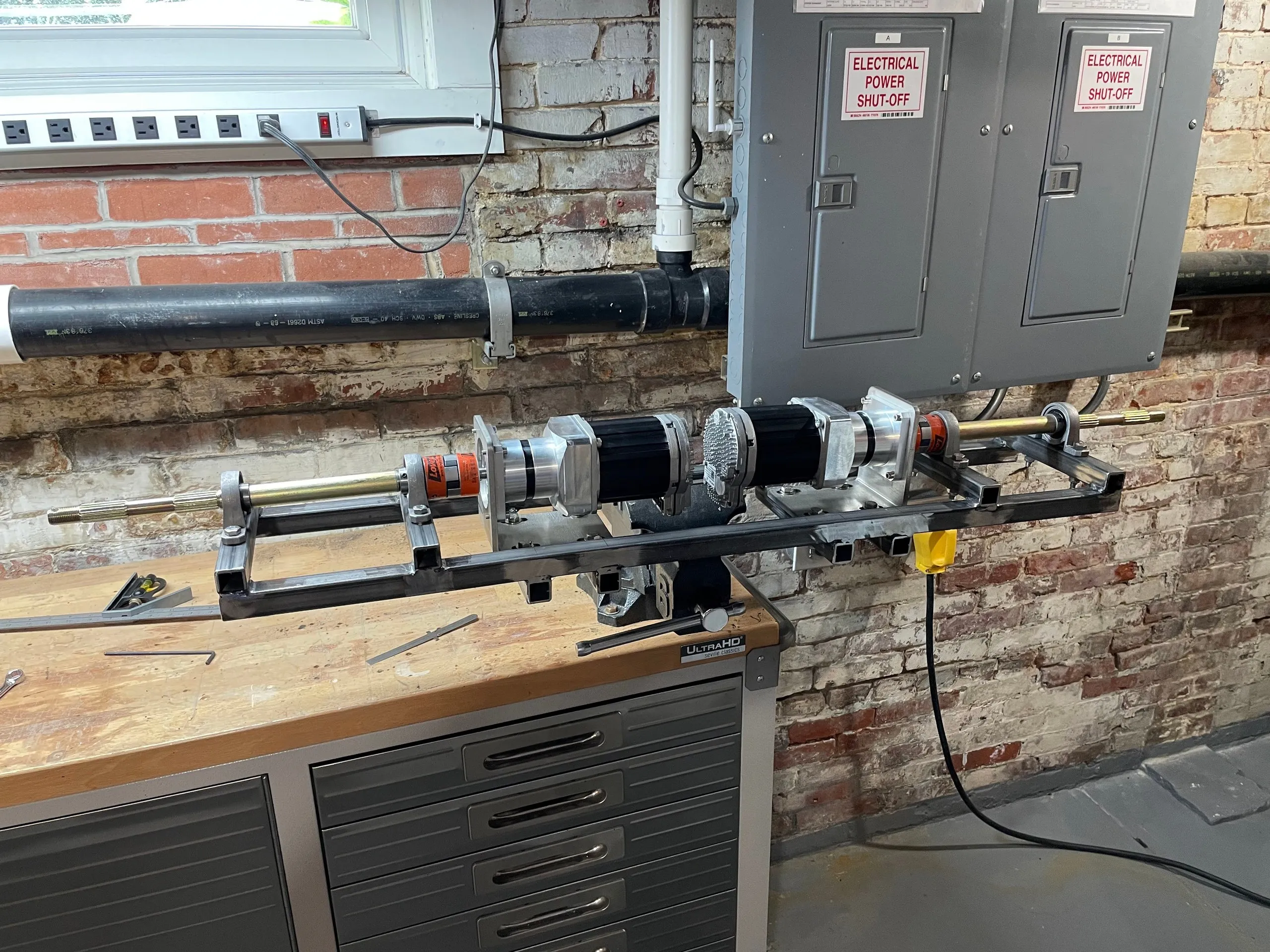
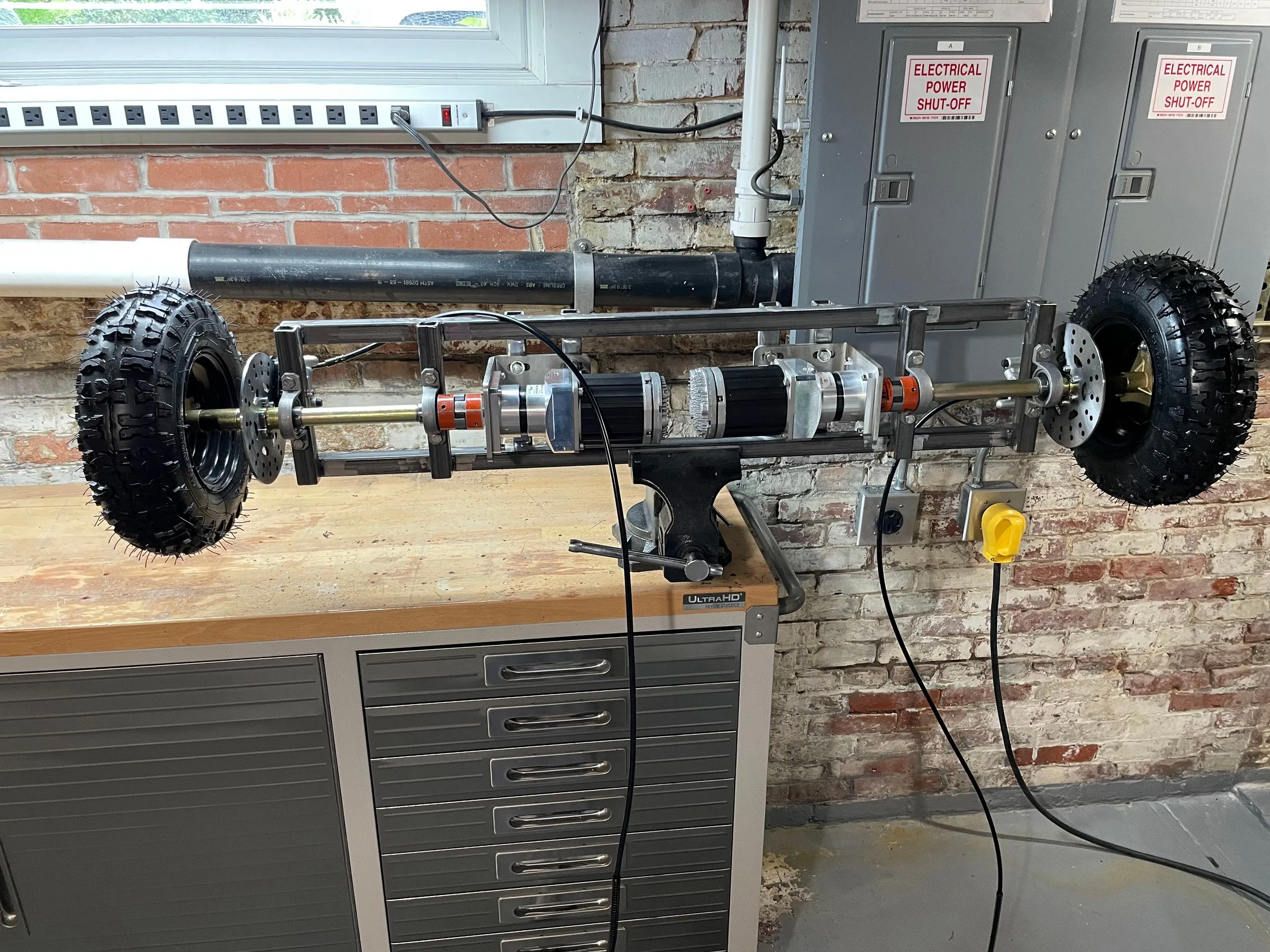
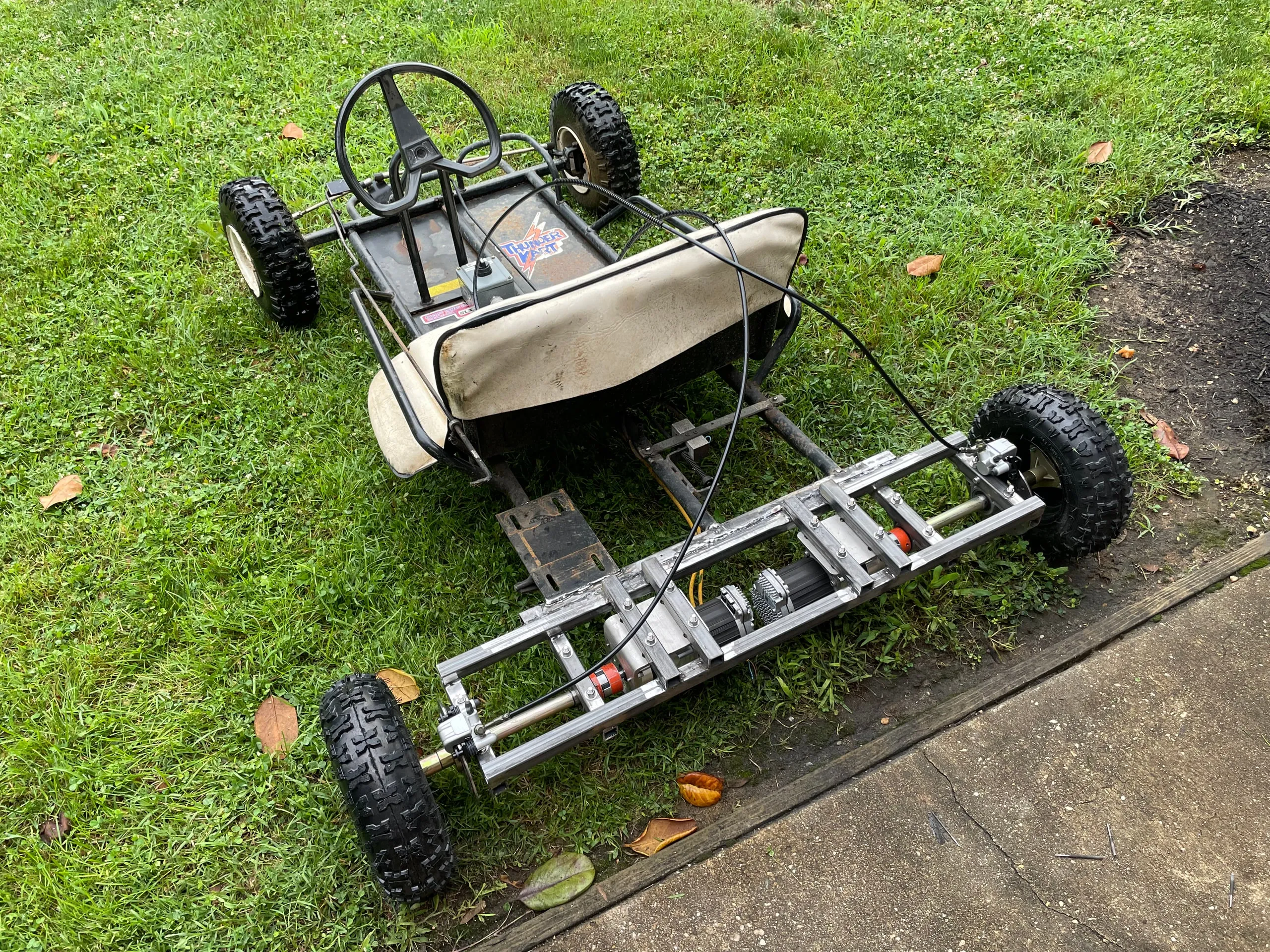
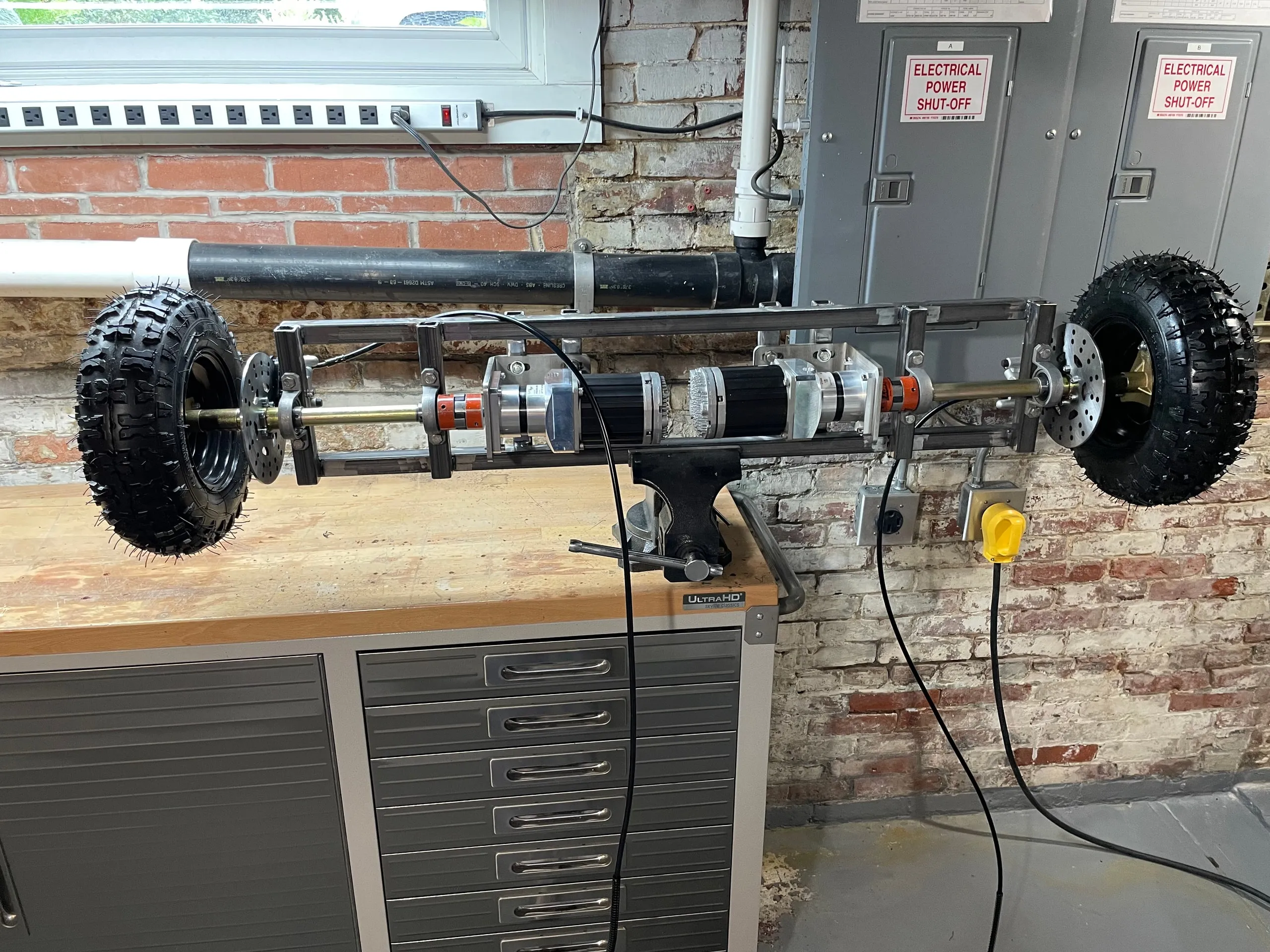
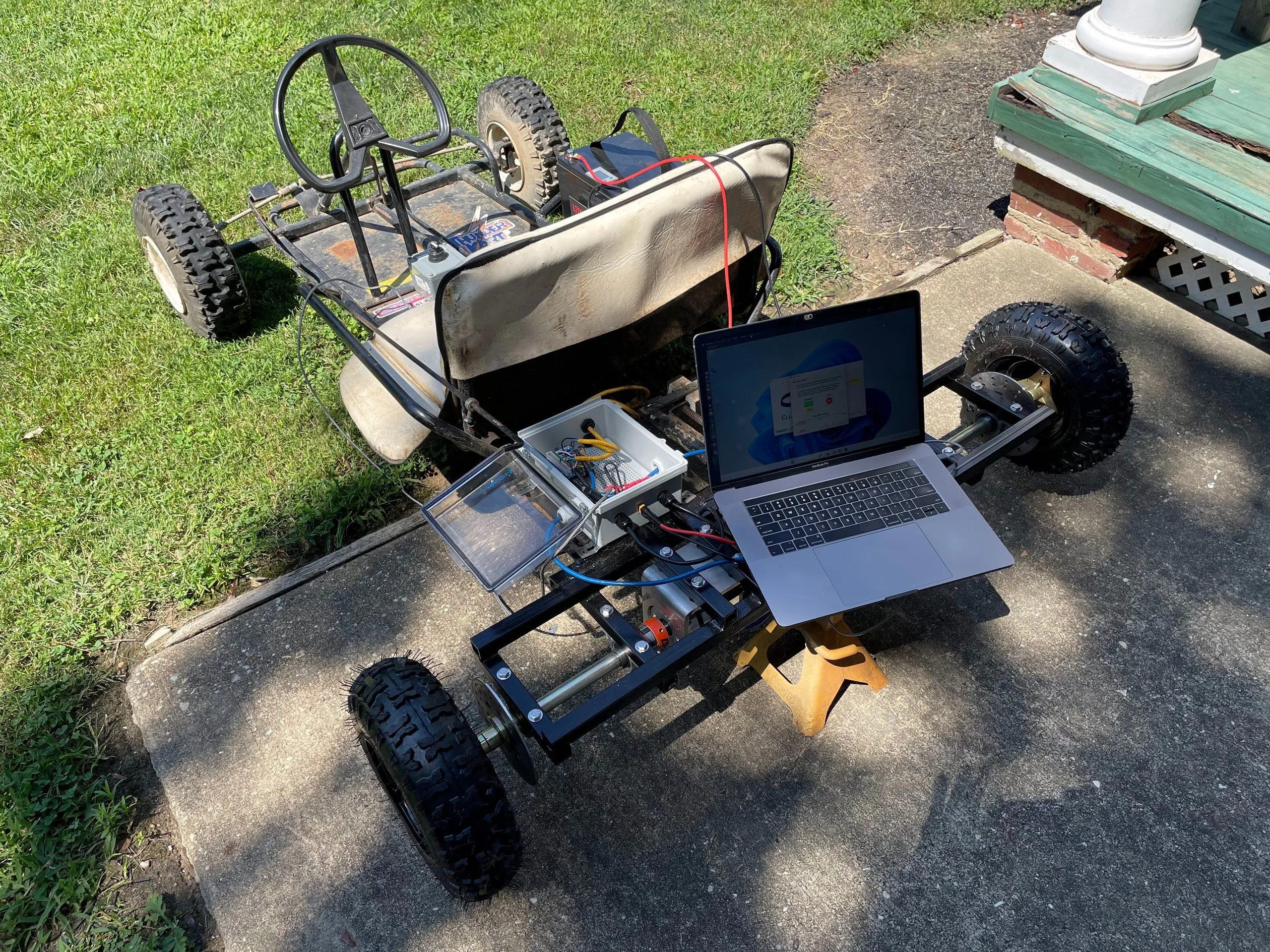
That also means there is no live axle and no differential. Each wheel sits on its own stub shaft with its own bearings and its own brake disc, driven inline by its own motor.
The gearbox
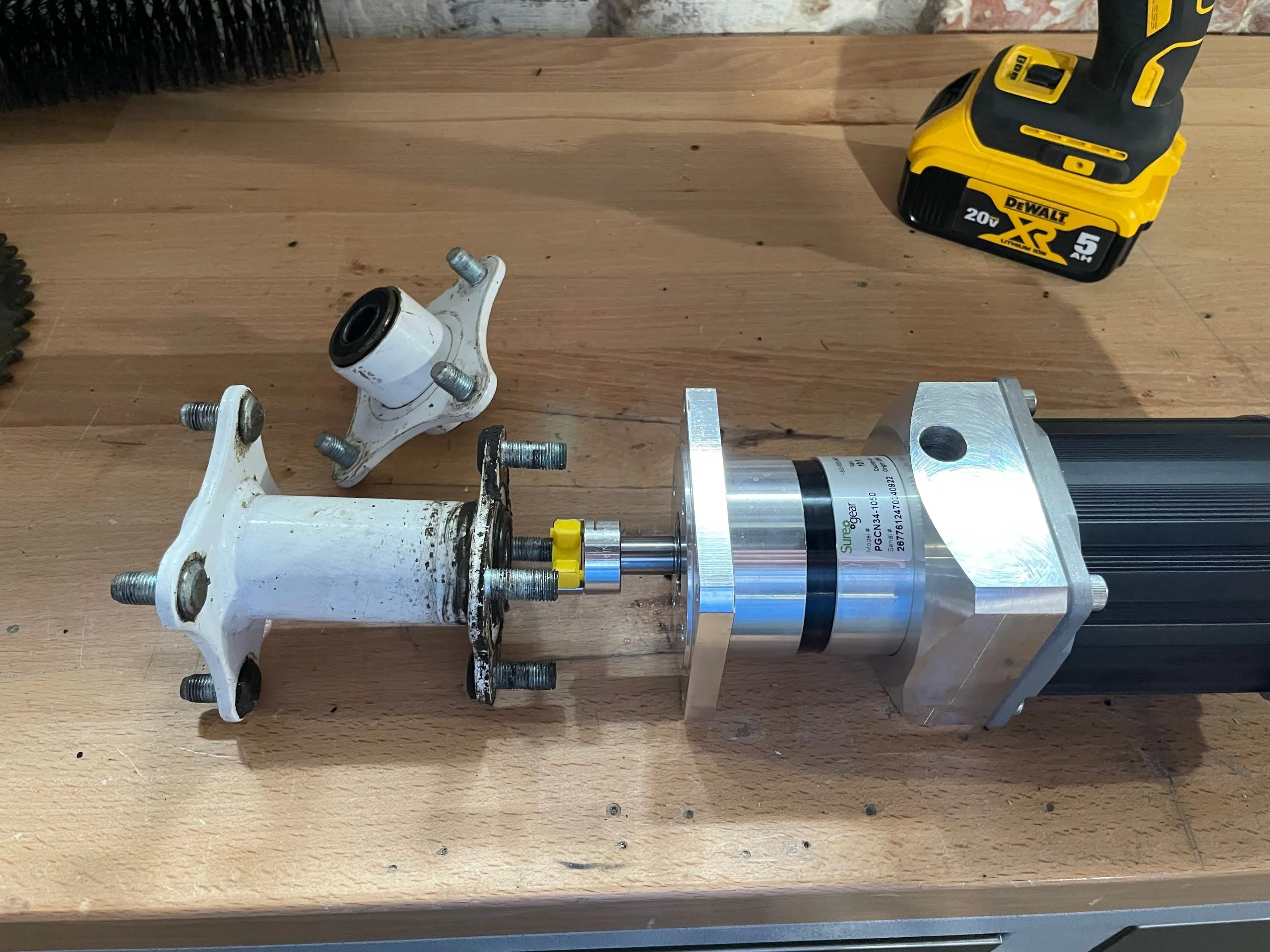
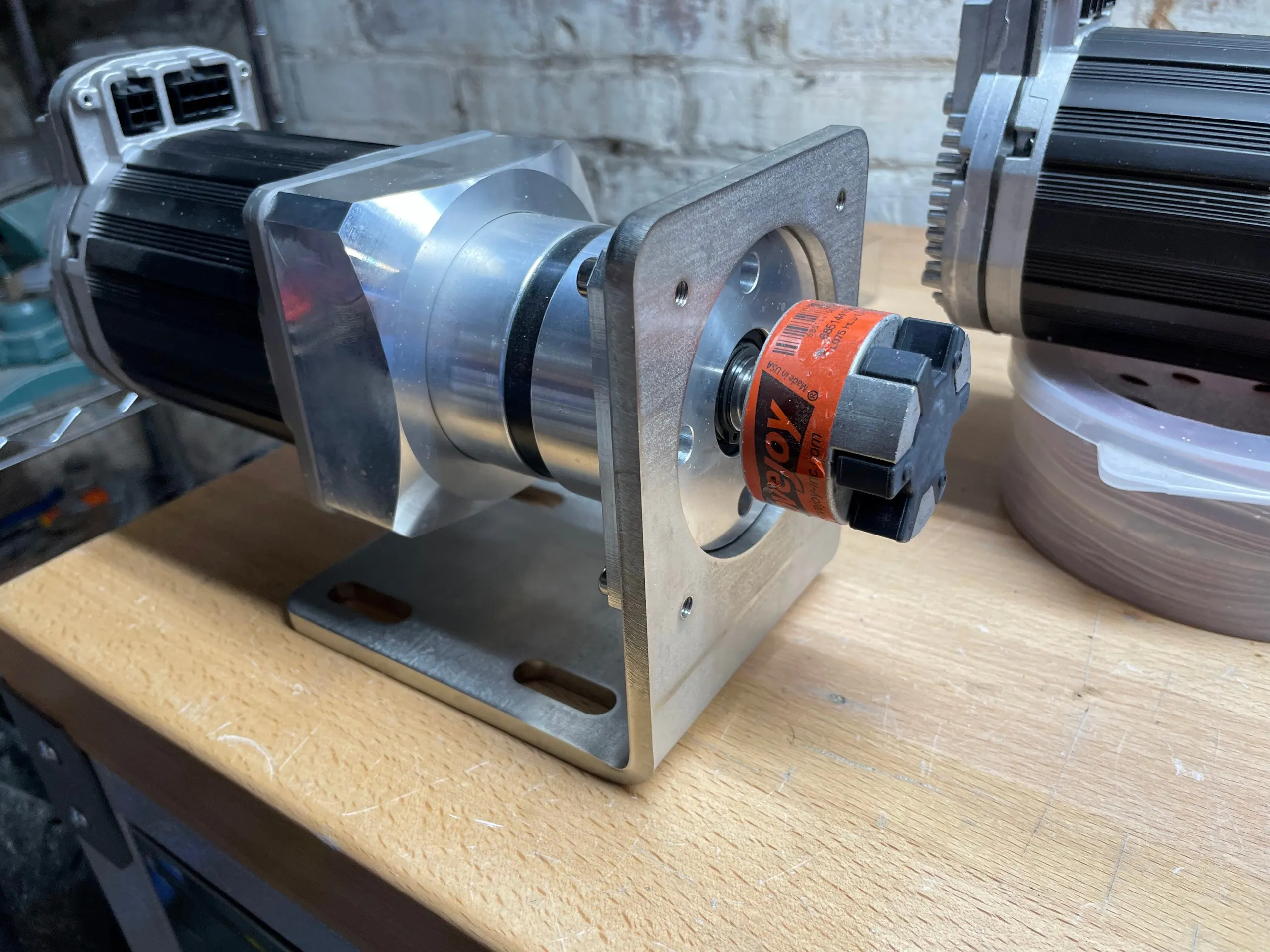
Between each motor and its wheel is a SureGear PGCN34-1050 planetary gearbox — 10:1, with the NEMA 34 input flange the ClearPath bolts straight onto. A ClearPath makes its power at speed rather than at torque, and a wheel wants the opposite, so the reduction is what makes the two compatible: ten times the torque at the wheel, a tenth of the speed, and the motor spending its time in the part of its curve where it is actually good.
The planetary layout is the other reason it works here. Input and output are concentric, so motor, gearbox, coupling, bearing and wheel all sit on one straight line — which is why the finished drive is a bar rather than a bracket full of offsets.
The subframe
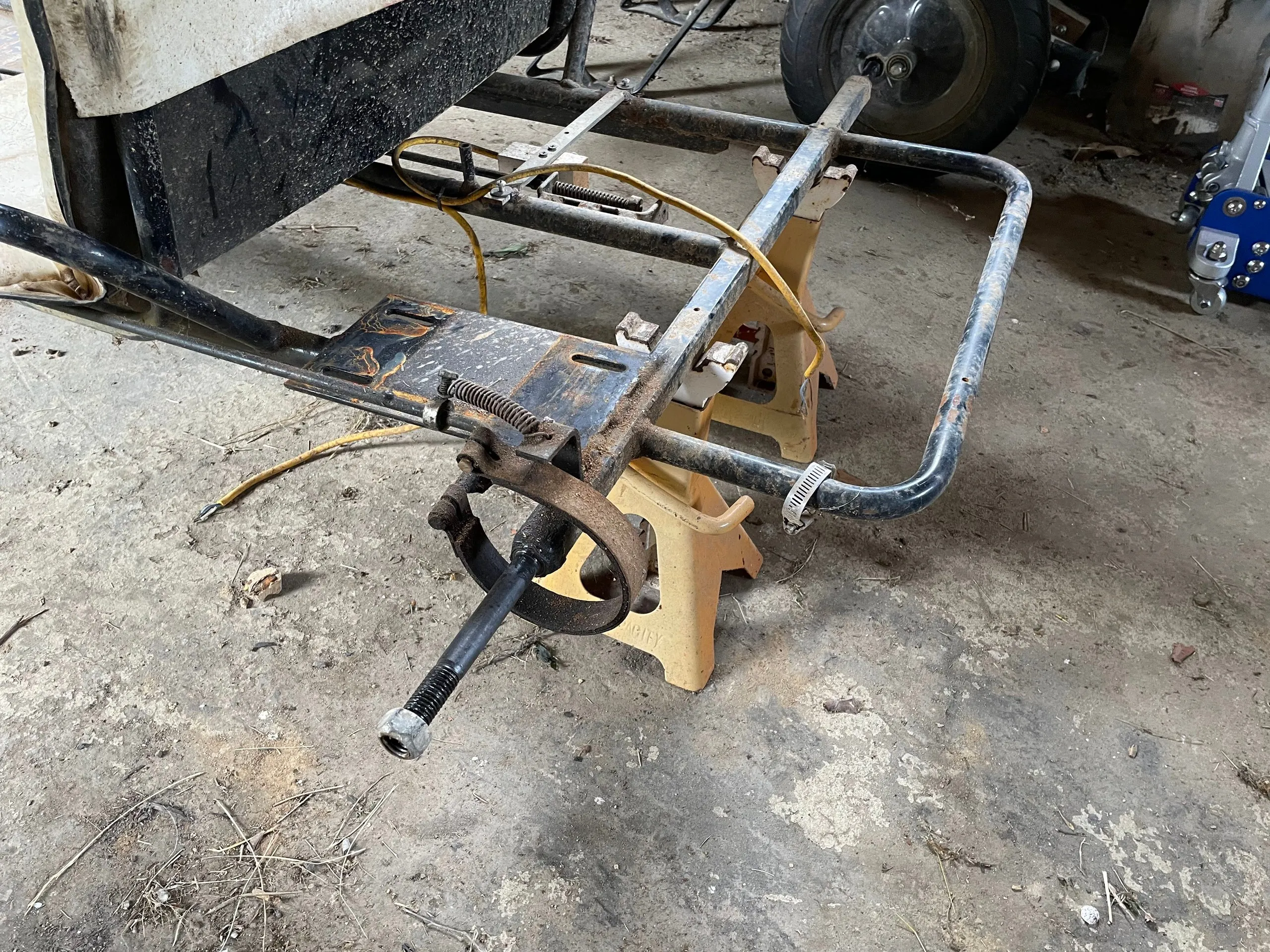
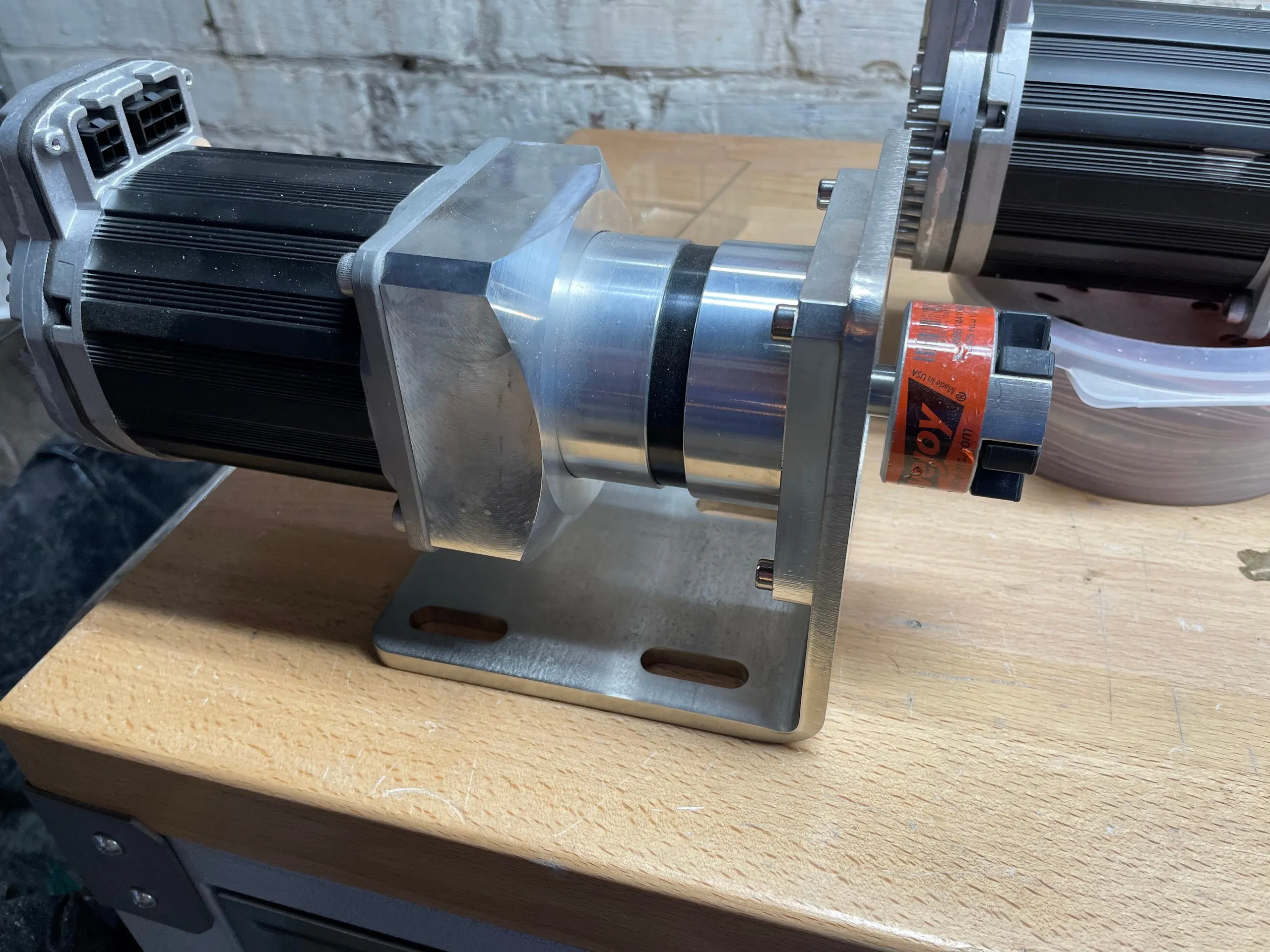
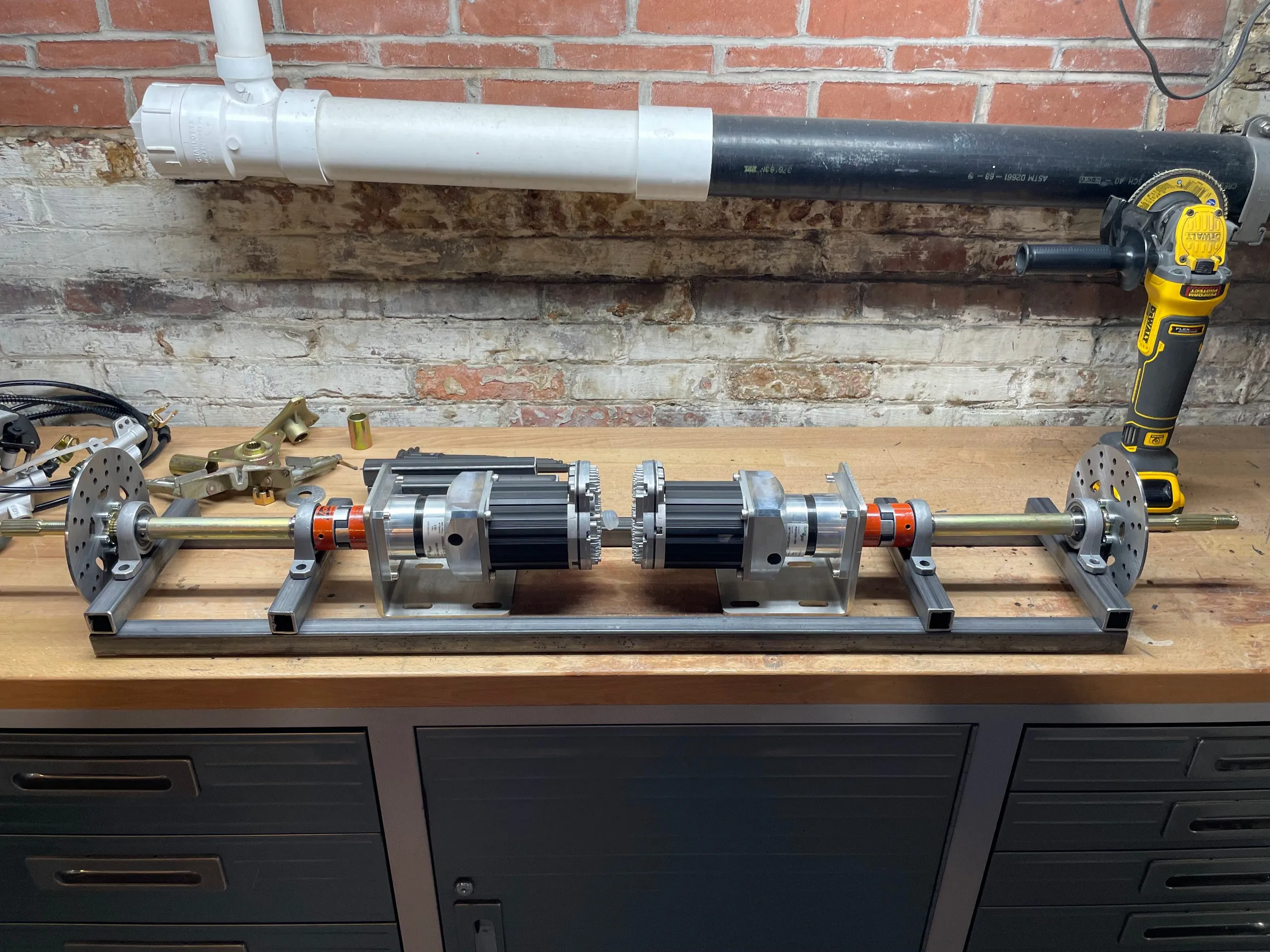
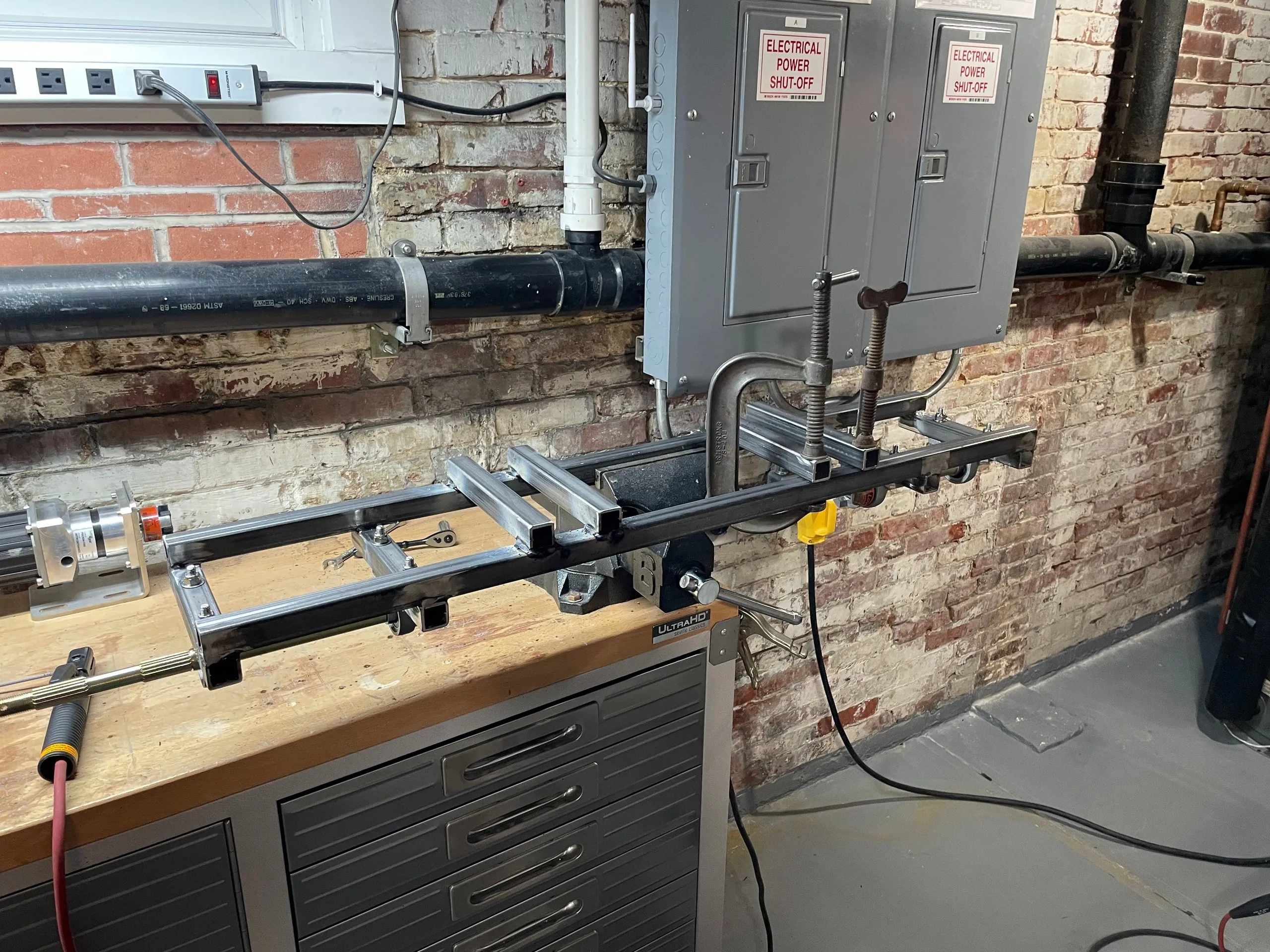
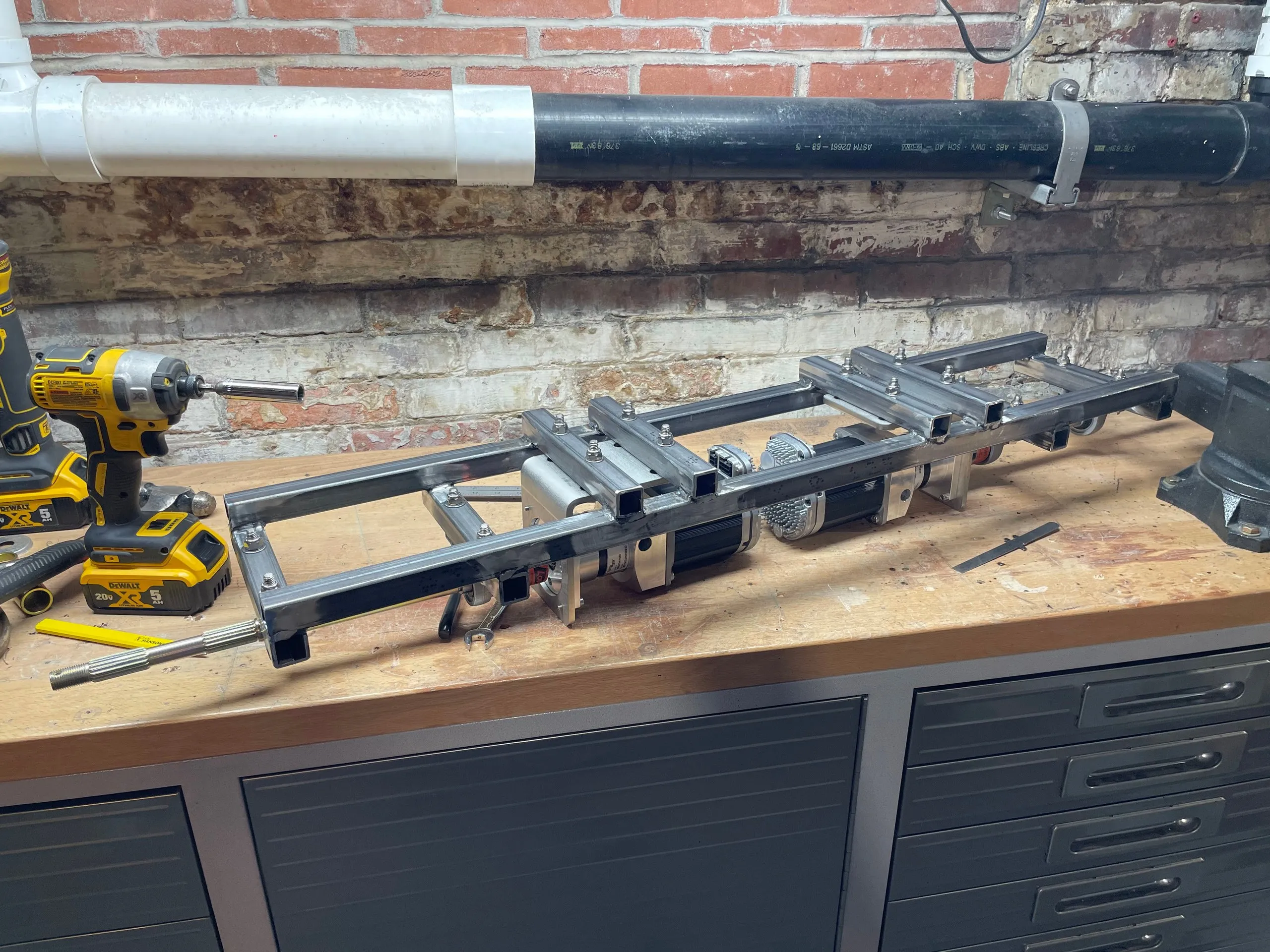
Both drives went onto a subframe built up as one unit on the bench, then welded to the back of the kart frame where the axle used to be. Doing it that way meant the whole rear end could be aligned and squared at working height instead of upside down on jack stands.
Wiring and control
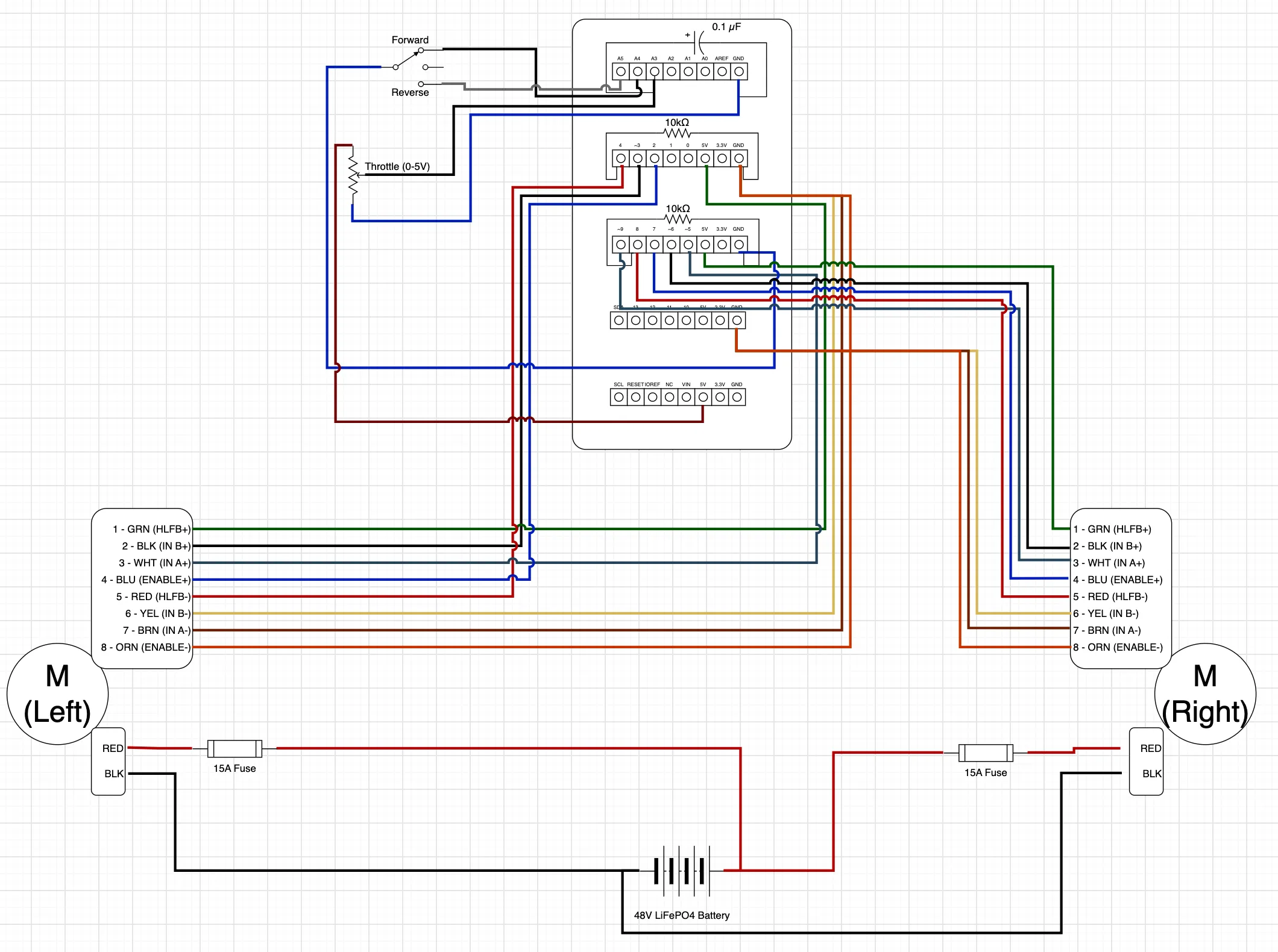
The high-voltage lesson from v1 stuck: this one runs on a 48 V LiFePO4 pack, with a 15 A fuse in each motor’s supply line.
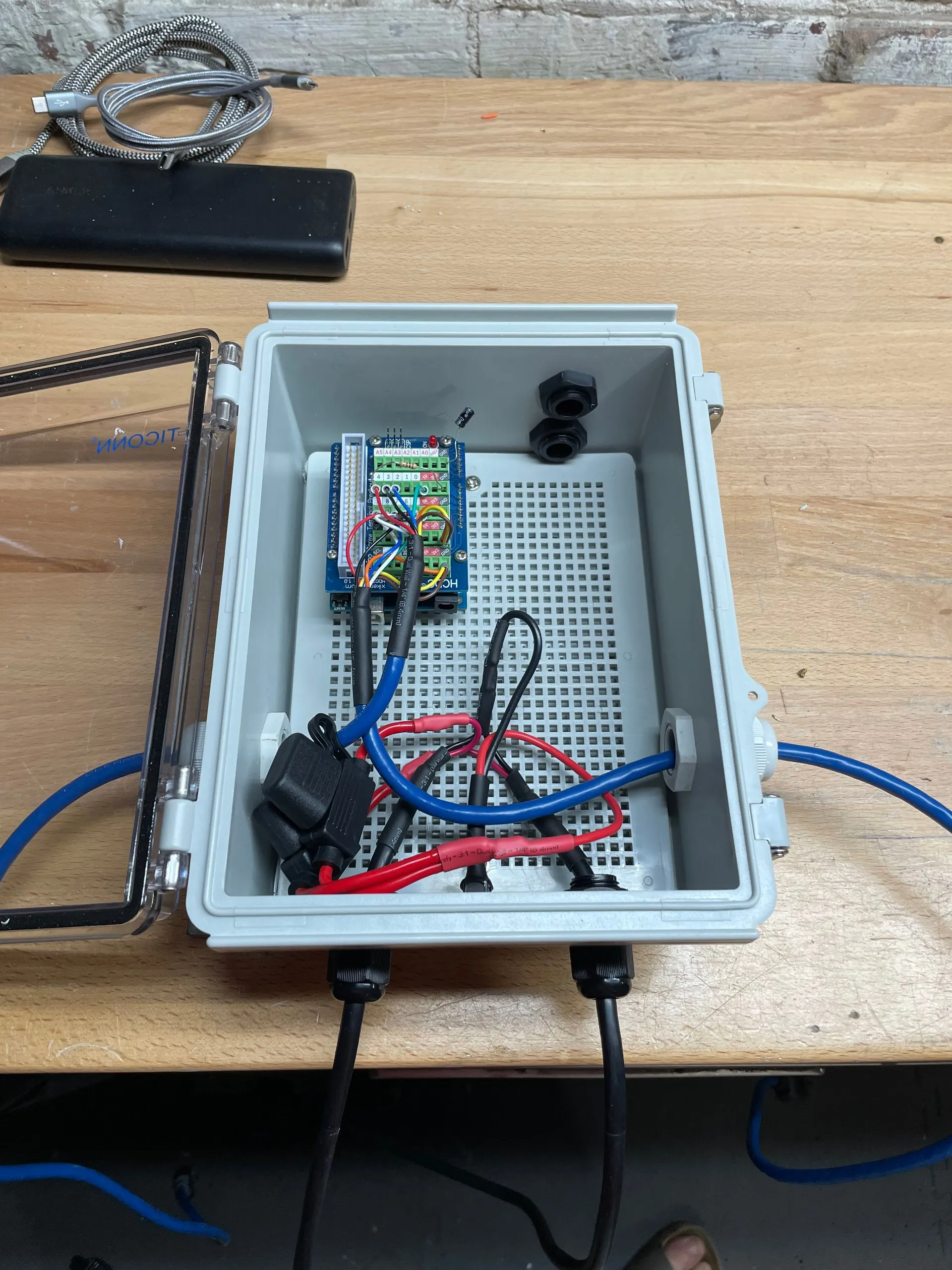
Control goes through an Arduino Uno rather than straight from the throttle to the motors. A linear potentiometer on the throttle produces 0–5 V, the Arduino reads it, and the Arduino generates the PWM the ClearPaths take as their speed command. A switch picks forward or reverse. Each motor’s eight-pin connector carries the two input lines, an enable pair, and an HLFB pair coming back out — the motor’s own feedback, so the kart can tell me when a drive has faulted rather than just going quiet.
Putting a microcontroller in the middle is what makes the two-motor layout worth having. The wheels do not have to get the same number: with each motor commanded separately and HLFB coming back from both, the same box that reads the throttle can also do traction control.
Where it stopped
On the bench, the drives were excellent. Smooth, quiet, instantly responsive, and far better behaved than anything I had run in v1. With the wheels off the ground, or with the subframe rolling under no real load, it did everything I asked.
Then I put the kart on the ground and tried to accelerate it with me in it.
A ClearPath protects its windings with an RMS current model — the drive tracks current over time and shuts down when that running average reaches 100% of what the motor can carry continuously. Peak torque was never the problem; the motors would pull hard from a stop. But getting a loaded go-kart up to speed takes that torque for long enough that the RMS figure climbs to 100% before the kart is moving properly, and the motor shuts down. Every time.
I reached out to Teknic about it and came away without a way around it. As far as I could establish there is no setting that raises or defeats the limit — it is winding protection, not a tuning parameter, and a motor that let you turn it off would be a motor that lets you burn it up.
Which is a fair design decision on their part and a dead end on mine. The mechanical side of this build is sound and I would do it the same way again; the drives just need to be something that can hold that torque long enough to get the thing rolling.